If you're working out how to discount designs this holiday season, the short answer is to discount the package, not the price. Bundles, volume tiers, extra colourways and private rates for repeat buyers reward buyers while keeping your headline prices intact. A blanket percentage off, by contrast, costs far more than it looks and teaches your best buyers to wait for a sale.
This is the pricing companion to our Black Friday guide for designers, which covers the campaign, the timeline and what to send when. Here we cover the maths, the smarter levers and how to start and end an offer without devaluing your work.
Key takeaways
- Blanket percentage discounts train brand buyers to wait for sales and quietly reset what they think your work is worth.
- At a 50% margin, a 20% discount needs about 67% more sales just to stand still.
- Add value instead: non-exclusive bundles, volume tiers, extra colourways or repeat adjustments, and loyalty rates. Leave exclusive prices alone.
Why blanket discounts hurt print studios
Your buyers are designers, art directors and sourcing teams who buy repeatedly over a year, often to a budget, and compare your prices with other studios. A sitewide 25% discount sends them three messages you probably don't intend:
- Your list price has room in it. If prints can be 25% cheaper in November, why pay full price in March?
- Timing beats relationship. Buyers who plan around your sale will hold purchases until it comes round again.
- Your work is a commodity. Price-led promotion puts you next to stock libraries and print-on-demand marketplaces, not the premium studios you want to sit alongside.
Exclusive prices should be the last thing you touch. They are priced for every future sale you give up, so cutting them devalues the most valuable part of your business.
What does a 20% discount really cost a studio?
When you discount, the whole reduction comes out of your margin, not your revenue. Say you sell a design for £600 and £300 of each sale goes to per-sale costs, like the designer's share or an agent's commission, so you keep £300. Here are simple, illustrative numbers:
- Average price per design: £600
- Per-sale costs (the designer's share, an agent's commission, file preparation): £300
- Margin per design: £300, which is 50% of the price
- A typical month: 10 designs, earning £3,000 in margin
Here is how many designs that studio needs to sell to earn the same £3,000 at each discount:
- No discount: £600 price, £300 margin, 10 designs.
- 10% off: £540 price, £240 margin, 12.5 designs (25% more sales).
- 20% off: £480 price, £180 margin, 16.7 designs (67% more sales).
- 30% off: £420 price, £120 margin, 25 designs (150% more sales).
At 20% off you need roughly two-thirds more sales just to stand still, and at 30% off two and a half times the volume. The formula: extra sales needed = discount ÷ (margin − discount), both as percentages of price, so 20 ÷ 30 = 67%.
The size of your per-sale costs matters. If you keep almost all of each sale, a 20% discount still needs about 25% more sales to break even.
Now compare adding value. If an extra colourway takes your team an hour and costs, say, £40 in studio time, your margin falls from £300 to £260, so you need about 11.5 sales rather than 16.7. Plug in your own average price and costs before you choose an offer.
How to discount designs without devaluing your work
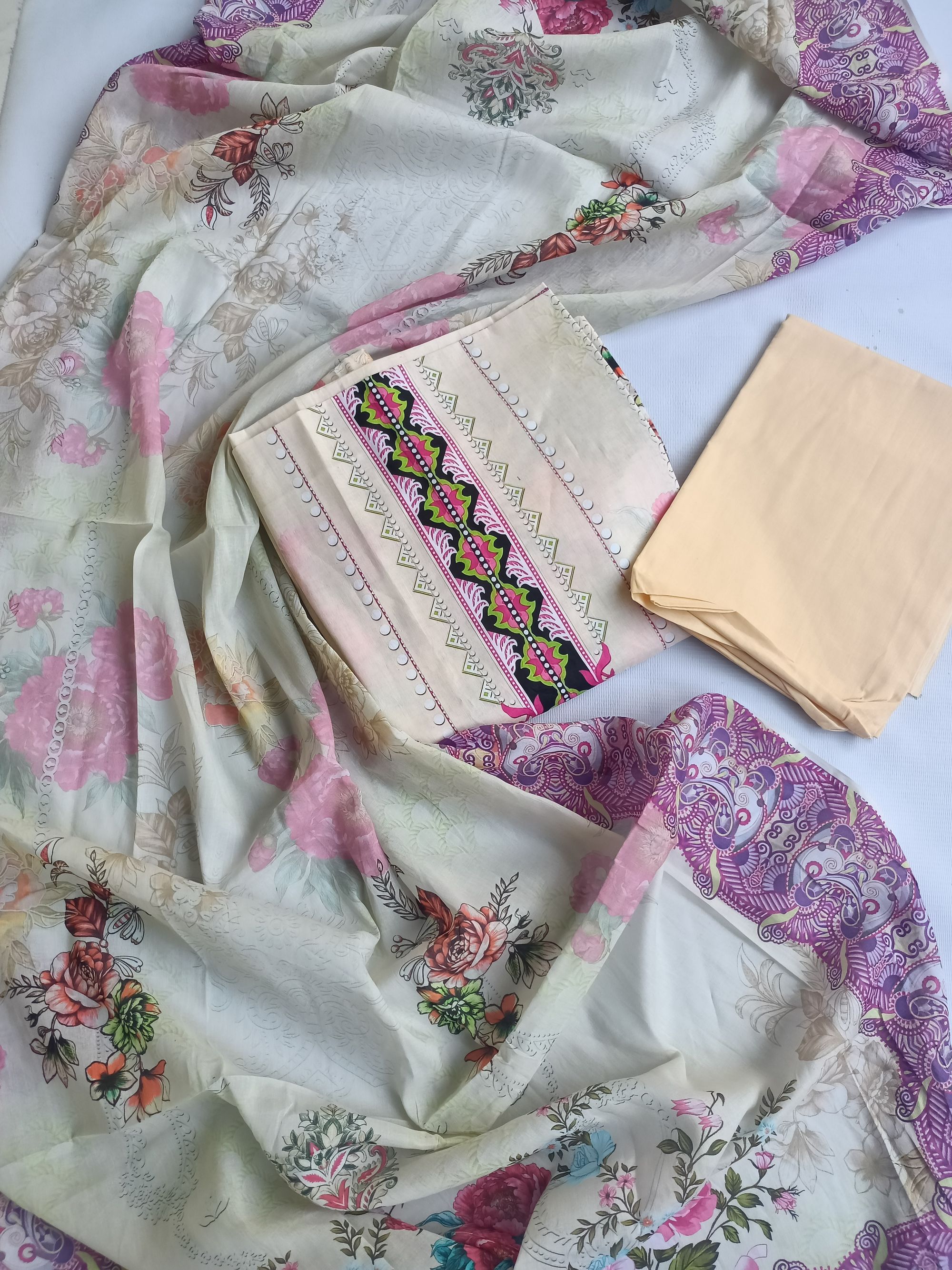
Four holiday discount ideas for designers that keep your list prices intact:
- Bundle pricing for non-exclusive designs. Group three to five coordinating non-exclusive prints into a themed bundle priced below the sum of the individual prints. Buyers get a ready-made story, you get a larger order, and no single design's list price changes.
- Tiered volume pricing. Reward bigger orders rather than every order: buy three designs, save a set amount; buy six, save more. It lifts average order value and encourages buyers to consolidate their sourcing with you.
- Extra colourways or repeat engineering. A free colourway or repeat adjustment (a resize, a half-drop conversion, a width change for a specific mill) costs studio time, not headline price. "Buy any two prints before 30 November and get an extra colourway on each" sounds generous and protects your rate card.
- Loyalty pricing for repeat buyers. A private, invitation-only rate for buyers who have purchased in the last 12 months feels personal and never appears on a public page.
Every one of these works from a clear rate card. If yours needs a refresh, start with our guide to how to price surface pattern designs.
How to present a holiday offer professionally
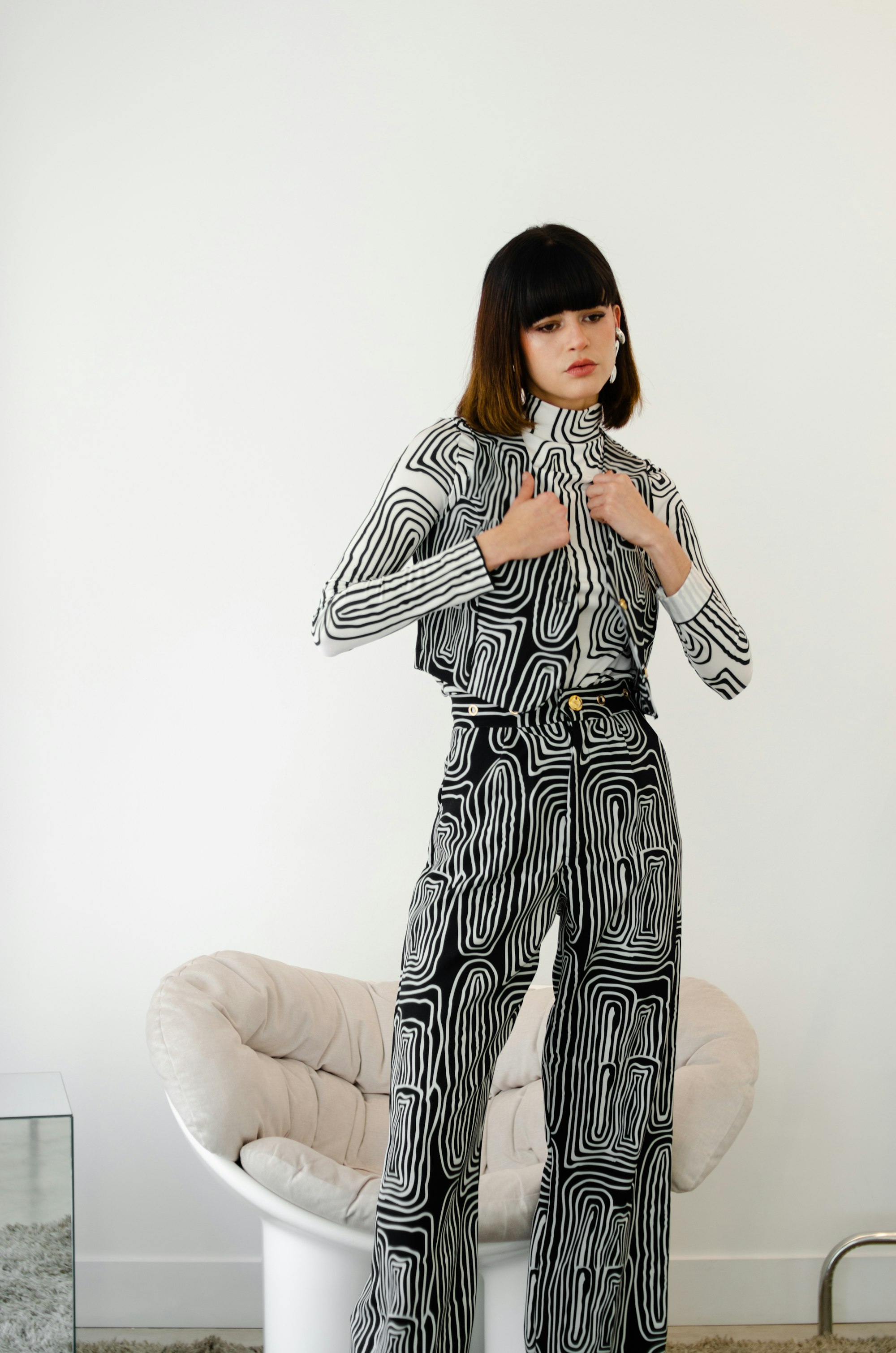
Brand buyers respond to clarity, not urgency.
- Lead with the benefit, not the percentage. "Build your SS27 range with a coordinated bundle" lands better than "HUGE SAVINGS".
- Say who it's for. "For buyers who have worked with us this year" signals a relationship, not a clearance.
- State the terms plainly: which designs (non-exclusive only, for example), the start and end date, and the time zone.
- Match your usual tone and segment by buyer activity, so loyal buyers see loyalty offers and new contacts see bundles. Our textile marketing guide covers campaign planning.
How to end a discount cleanly
A sale that drifts on, or gets "extended by popular demand", tells buyers your deadlines aren't real.
- Pick an end date and keep it. If you said 30 November, close on 30 November.
- Send one reminder, not five, about 24 hours before close.
- Switch prices back on time in your online shop, price lists and email signatures.
- Follow up with value, not another offer: a trend story or a first look at your plans for Heimtextil (12–15 January 2027) and Printsource (19–21 January 2027).
- Review the results. Which lever drove orders, which buyers used it and what was the margin?
“The platform is so helpful for our sales… we didn’t believe it at the beginning but now we are convinced that the shop is the best way to work with our long distance customers.”
Piece of Chic
FAQ
What is a good holiday discount for designers?
There's no single right number, but every percentage point comes straight out of your margin. At a 50% margin, a 20% discount needs about 67% more sales to break even, so many studios keep the price and add value instead.
How do bundles work for non-exclusive prints?
Group three to five coordinating non-exclusive designs into a themed set priced below the total of the individual prints. Buyers get a coherent story and a saving, and your individual list prices stay intact.
Should I ever discount exclusive designs?
Rarely. Exclusive prices reflect every future sale you give up, so if a buyer is price-sensitive, offer the design non-exclusively instead.
A smart seasonal offer is easier when you can see who your buyers are, what they've bought and when they last logged in. The Pattern Cloud brings buyer logins, pinboards, a customer activity log and invoicing together, so your offer reaches the right buyers and ends exactly when you say. See how it works.